
How Long Do Custom Orthotics Last?
You notice it before anything looks different. Your feet fatigue sooner. Your knees start talking after a long day. That steady, reliable support doesn’t feel as strong as it used to.
Custom orthotics are built to last, but they don’t hold the same level of support forever. Knowing what to expect helps you stay ahead of discomfort and keep your movement feeling strong and supported.
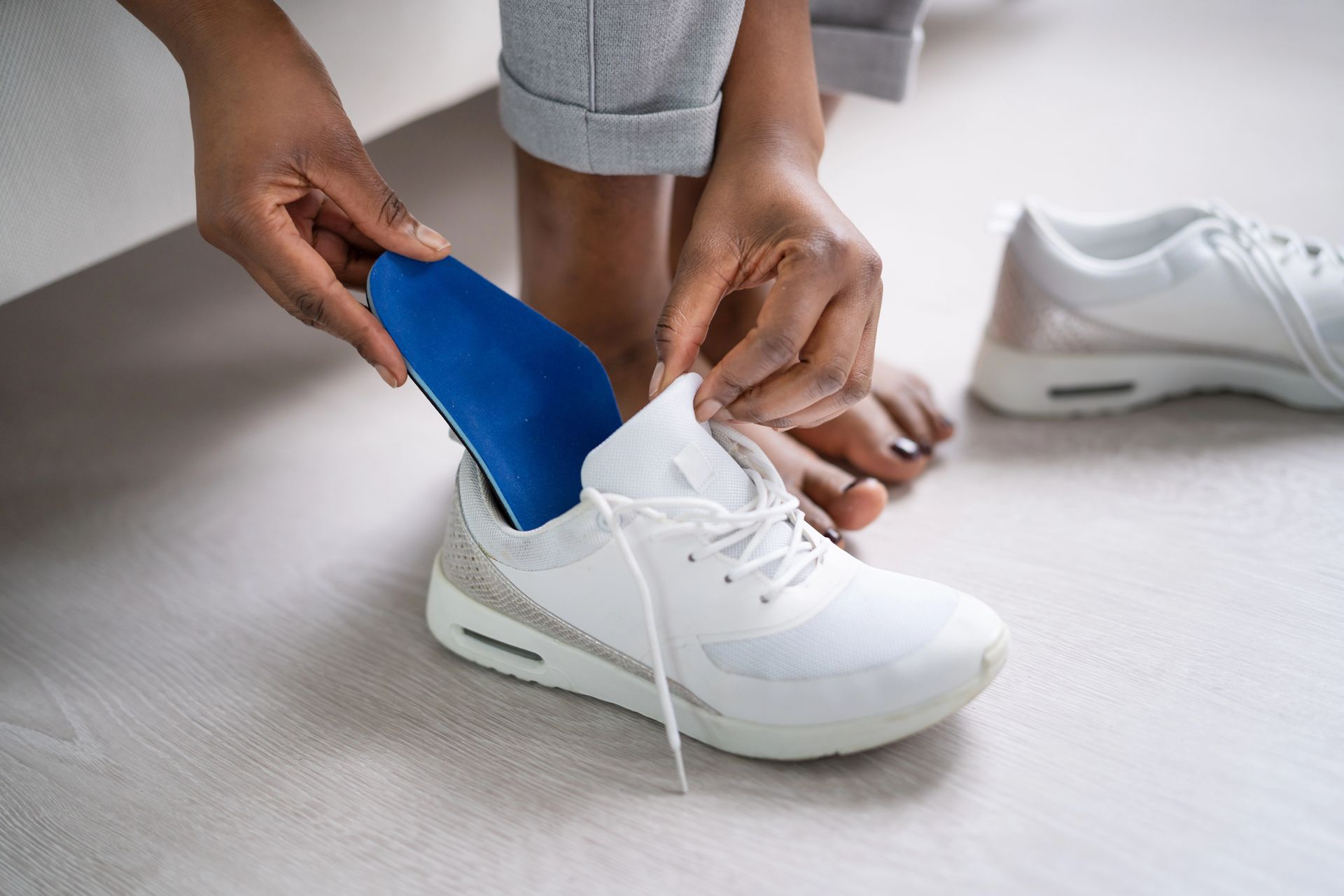
The Average Lifespan of Custom Orthotics
Most custom orthotics last between one and five years. That range depends on how often you wear them, your activity level, and how your body moves. Someone on their feet all day will usually wear them down faster than someone who uses them occasionally.
High-quality materials hold their shape longer, though daily pressure, body weight, and walking patterns still affect how quickly they break down. Over time, the structure that supports your foot softens, reducing the effectiveness of your orthotics.
What Affects How Long Custom Orthotics Last
Several factors influence how long your orthotics maintain proper support:
- Daily use: Wearing them every day increases wear over time
- Activity level: Running, standing for long hours, or high-impact movement adds stress
- Foot mechanics: The way your foot strikes the ground can speed up breakdown in certain areas
- Weight distribution: Pressure points can cause uneven wear
- Shoe type: Some shoes provide better support and protection than others
- Foot changes over time: Changes in arch height, alignment, or overall foot structure can affect how well your orthotics continue to support you
Signs Your Custom Orthotics May Need to Be Replaced
Watch for signs that your orthotics may no longer be providing the support you need:
- Foot pain returning after it had improved
- Discomfort in the knees, hips, or lower back
- Flattened or compressed areas in the orthotic
- Cracks, wear, or visible damage
- A general feeling that your shoes no longer feel supportive
- Uneven wear patterns or thinning in high-pressure areas
- Increased fatigue in your feet during normal daily activities
Why Follow-Up Appointments Matter
Your feet don’t stay the same over time. Changes in activity level, posture, or health can affect how your orthotics should support you. Follow-up appointments help ensure your orthotics continue to meet your current needs.
At
Oak Bay Family Chiropractic in Calgary, these check-ins allow practitioners to assess wear, evaluate your movement, and make adjustments if needed. Small changes can help maintain comfort and prevent strain from building over time.
How to Help Your Custom Orthotics Last Longer
A few simple habits can help extend the life of your orthotics:
- Rotate between shoes to reduce daily stress
- Keep orthotics dry and clean
- Avoid leaving them in extreme heat
- Use them in supportive footwear that fits properly
- Schedule periodic check-ins to monitor wear
Stay Supported With the Right Fit
Custom orthotics influence how your entire body moves and feels throughout the day.
When that support starts to wear down, small discomfort can build into something more noticeable. Regular check-ins and timely replacements help you stay comfortable, active, and aligned.
If your orthotics don’t feel the same as they used to, it may be time for a reassessment.
Read More From Oak Bay Family Chiropractic